






Pet Test – Pet Intolerance Test
Your Pet's Intolerance Test – A Simple Analysis
The Pet Test is designed to help you identify sensitivities to various foods and elements that may affect your pet's digestion, energy levels, and daily well-being.
Through a hair sample, which is collected in a simple and non-invasive way, the test offers clear information on how your animal's body may react to a wide range of substances, helping you better understand the causes of its concerns.
- 1,100 elements analyzed, including foods, non-food substances, vitamins, minerals, metals, and additives
- Non-invasive analysis, simple and fast method
- Recommended for animals who experience unexplained symptoms such as itching, paw licking, digestive problems, etc.
- Analysis performed in accredited laboratories in the United Kingdom
- Testing supervised by professionals at authorized London Health Care centers
- Clear and easy-to-interpret report with practical guidance

What does the Pet Test check?
The pet intolerance test includes a complete analysis of 1,100 elements divided into main categories, including foods, additives, environmental elements, nutrients (vitamins, amino acids, probiotics), as well as metals and minerals, with the aim of providing the most detailed overview of your animal's reactions.
Improve your pet's well-being with professional support
ACCREDITED LABORATORY PARTNERS
CLEAR AND TRANSPARENT REPORTING
PROFESSIONAL AND RESPONSIBLE APPROACH
FOCUS ON LONG-TERM WELLBEING
Quality you can trust
All our laboratories or partner laboratories hold UKAS, ISO 9001, ISO 13485, ISO 15189, or ISO 17025 accreditations.
How the Pet Test Is Performed
Performing the test is simple and quick. Simply follow the 4 steps below to complete the intolerance and element test. Detailed instructions are included within the ‘Pet Test Results Guide’ that you will receive.
COLLECT THE HAIR SAMPLE
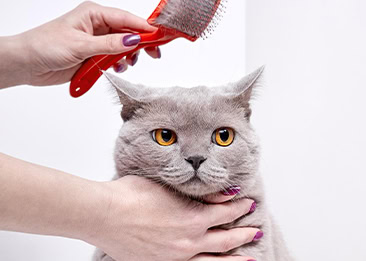
HAIR REMOVAL demonstration at the clinic

Accredited laboratory analysis

RECEIVE RESULTS AND GUIDANCE
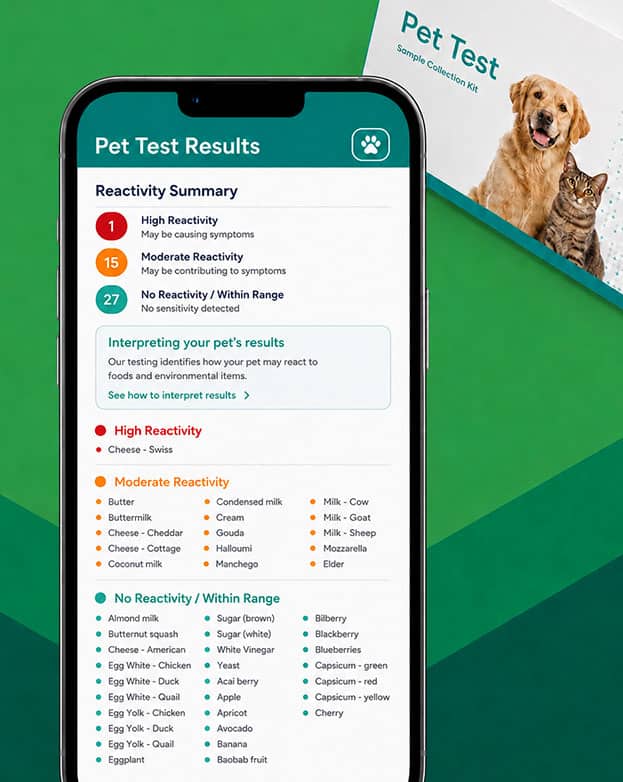
What does the Pet Test report include?
After your samples have been analyzed in the laboratory, you will receive a well-structured and quite practical report designed to help you understand the results of the Pet Test and plan your next steps.
Over +1000 satisfied clients

For months my cat had been scratching herself so much that her fur had fallen out in spots. I tried everything without success. After testing, I discovered two or three foods that were causing it and removed them from her diet. Today her skin looks completely different.
My dog had stomach problems almost after every meal. The test gave me a clear list of where to start when changing his food. Everything calmed down within three weeks.
Rex had become lethargic and kept rubbing his paws constantly. It broke my heart to see him like that. After the test, I removed some items from his diet, and within a short time his old energy returned. I couldn't believe what a difference it would make.
I thought it would be complicated, but a small hair sample was enough. The staff patiently explained every step to me, and the report was organized and understandable, without any jargon. I am truly satisfied.
I was skeptical, I admit. But my cat had recurrent vomiting and hair loss that couldn't be explained. I decided to try the test and don't regret it at all. Now I know exactly which elements to avoid.
Frequently Asked Questions (FAQ)
The test uses bioresonance therapy, which analyzes energy and frequencies obtained from a small sample of your pet's hair. These frequencies are compared to those of 1,100 tested elements—foods, non-foods, vitamins, minerals, and metals—to determine the level of intolerance to each.
This test analyzes intolerances, not allergies. Intolerance and allergy are not the same thing: an allergy involves the immune system and antibodies, while an intolerance does not. Hair testing does not measure antibody levels, therefore it cannot be used to diagnose allergies. If you suspect your pet has an allergy, consult your veterinarian.
Only a small hair sample is needed. The process is completely non-invasive and painless for the animal—no blood, needles, or other distressing procedures are required. Sample collection is quick and easy.
Food intolerances can manifest with various symptoms in animals, such as constant itching, paw licking or chewing, digestive problems, hair loss, inflamed skin, vomiting, or low energy. The test helps you identify the elements that may be contributing to these concerns.
Along with the report, you will receive the ‘Results Guide’. The recommended step is an elimination diet, where you remove high-reactivity elements for a period of time, followed by gradual reintroduction. The guide also includes a food diary to track the changes and symptoms you notice.
The text does not make a medical diagnosis and is not a substitute for professional veterinary advice, diagnosis, or treatment. It aims to help you make positive changes to your animal's diet and environment. If your animal has health problems or concerning symptoms, always consult with a veterinarian.

Discover What's Really Bothering Your Pet
If your pet experiences constant itching, low energy, digestive problems, hair loss, etc., this test helps you understand how their body reacts to different foods and elements.
The results offer a practical guide for building a more suitable diet plan and making informed decisions about your animal's health, energy, and well-being.


