

Food Allergy Test
Food Allergy Test – Advanced analysis to identify IgE sensitisation
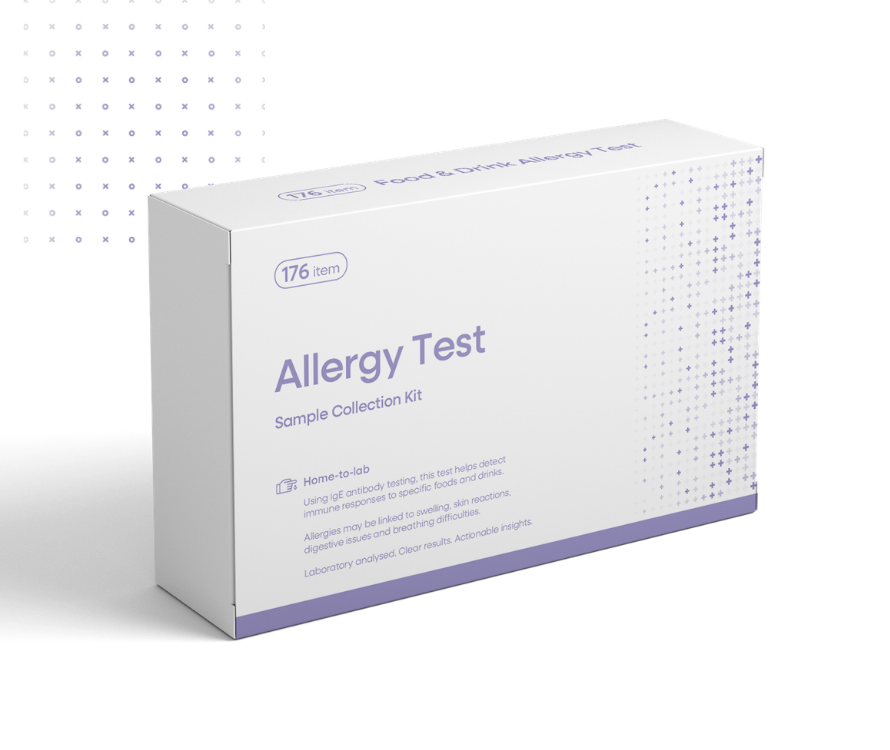
The Allergy Test is designed to help you identify potential sensitisation to food allergens that may be linked to your recurring symptoms.
Using a small blood sample collected via a finger prick, the test measures specific IgE antibodies to a broad panel of allergens, providing structured information that should be interpreted alongside your symptoms and medical history.
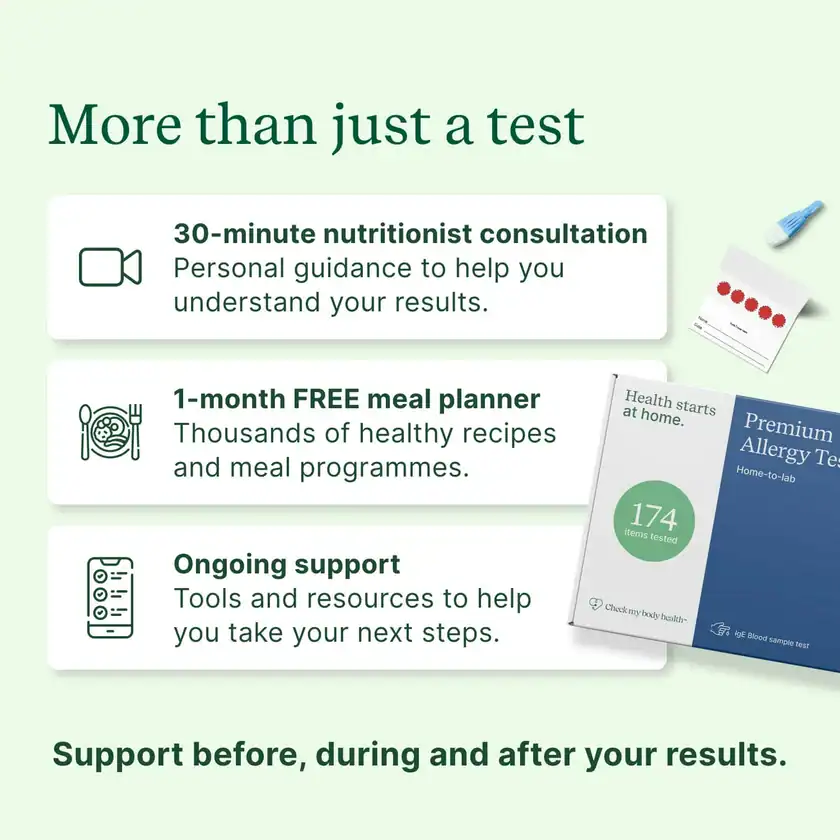
- 174 allergens and markers analysed, including foods, pollens, dust mites, moulds, animals and selected allergenic components
- Specific IgE analysis using a small finger-prick blood sample
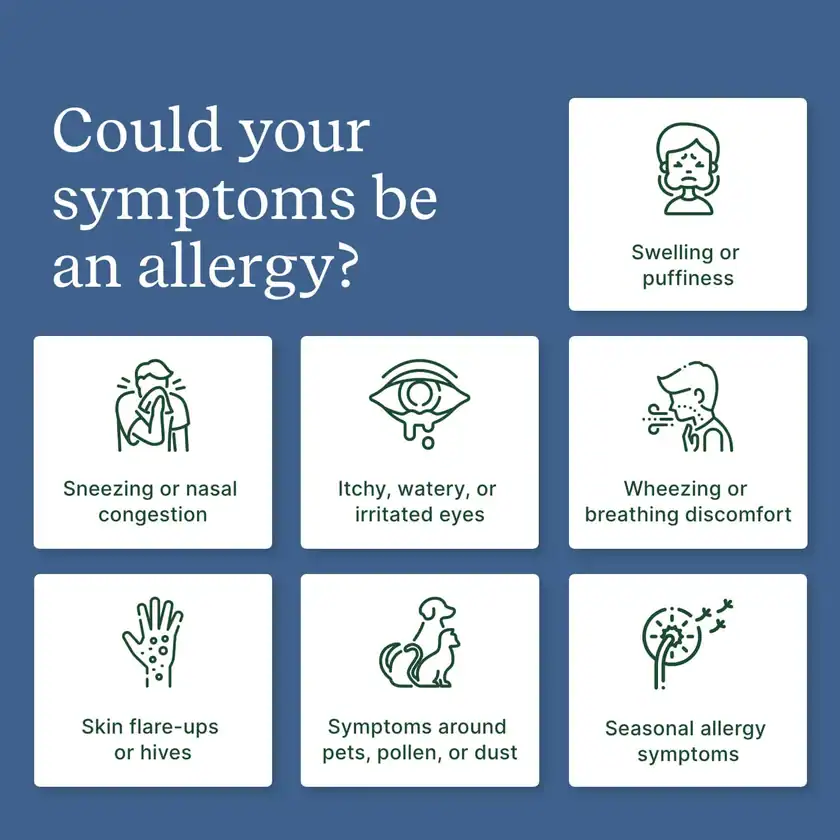
- Suitable for assessing symptoms such as sneezing, nasal congestion, eye irritation, hives and swelling
- Analysis performed in a professional UK laboratory using multiplex technology
- Sample collection at London Health Care's professional facilities or at our authorised locations
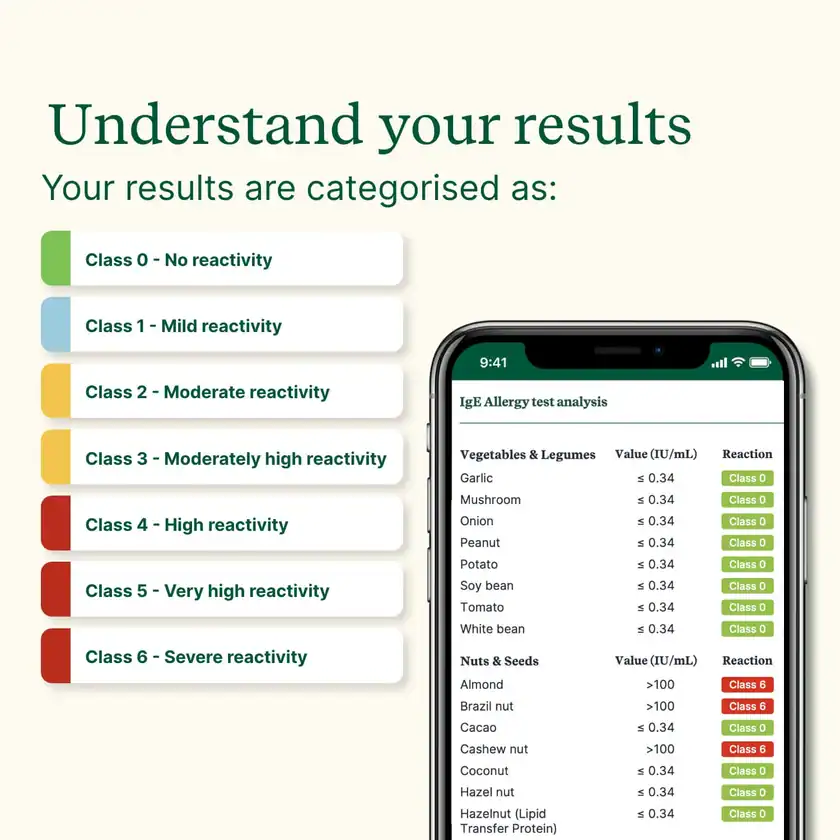
- A clear, easy-to-interpret report with IgE reactivity levels for each target

What does the Food Allergy Test assess?
The Allergy Test analyses 174 allergens, components and indicators organised below into 14 main groups. The panel includes foods, pollens, dust mites, moulds, animals, insect venoms, certain drug markers and sensitisation indicators, with the aim of identifying specific IgE responses that may be linked to your symptoms.








Improve your wellbeing with professional support
ACCREDITED LABORATORY PARTNERS
CLEAR AND TRANSPARENT REPORTING
PROFESSIONAL AND RESPONSIBLE APPROACH
FOCUS ON LONG-TERM WELLBEING
Quality you can trust
All our laboratories or partner laboratories hold UKAS, ISO 9001, ISO 13485, ISO 15189, or ISO 17025 accreditations.
How is the Food Allergy Test carried out?
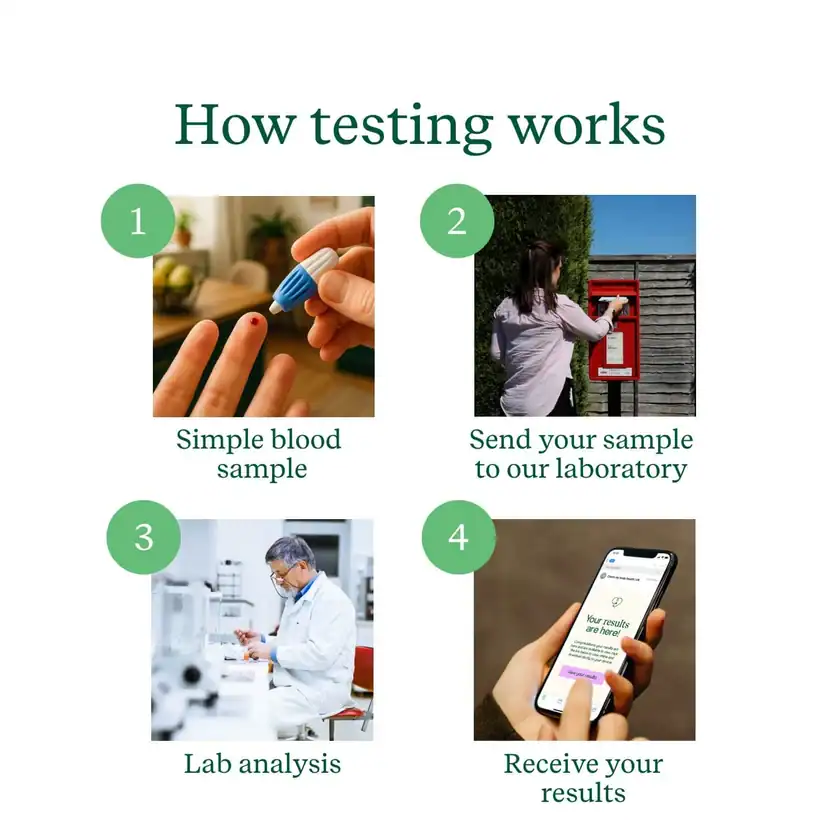
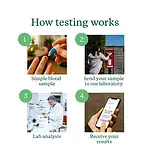
The test process is simple and quick. Simply follow the four steps below for sample collection, laboratory analysis and receiving your results. Detailed instructions are also included in the test kit.
CONTACT US TO BOOK THE TEST

A BLOOD SAMPLE IS TAKEN

Accredited laboratory analysis

RECEIVE RESULTS AND GUIDANCE


What does the Food Allergy Test report include?
Once the sample has been analysed in the laboratory, you will receive a structured report showing specific IgE responses to the panel targets. The report is designed to help you understand your results and identify those that may require further assessment.
Over +1000 satisfied clients

I always had bloating and fatigue and didn’t know why. After the test, I understood which foods were causing me discomfort and made a few small changes. The difference became noticeable within just a few weeks!
You often hear about tests. I trusted London Health Care because the analyses are done in a laboratory in the UK. The sample was quick, the clinic was clean, and the results arrived on time. I’m very satisfied with the professionalism.
The process was very easy and the staff explained every step. The report is clear, and I had no difficulty understanding it. Now I know what to avoid and I feel much better with my digestion.
I had constant lack of energy and frequent stomach pain. I couldn’t understand why. The test helped me identify several elements that were causing my problems. A 360-degree change!
To be honest, I was a bit skeptical at first. Still, I thought—why not try it? I had problems with bloating and unexplained fatigue. After the test and the changes, I feel like a completely different person.
Frequently Asked Questions (FAQ)
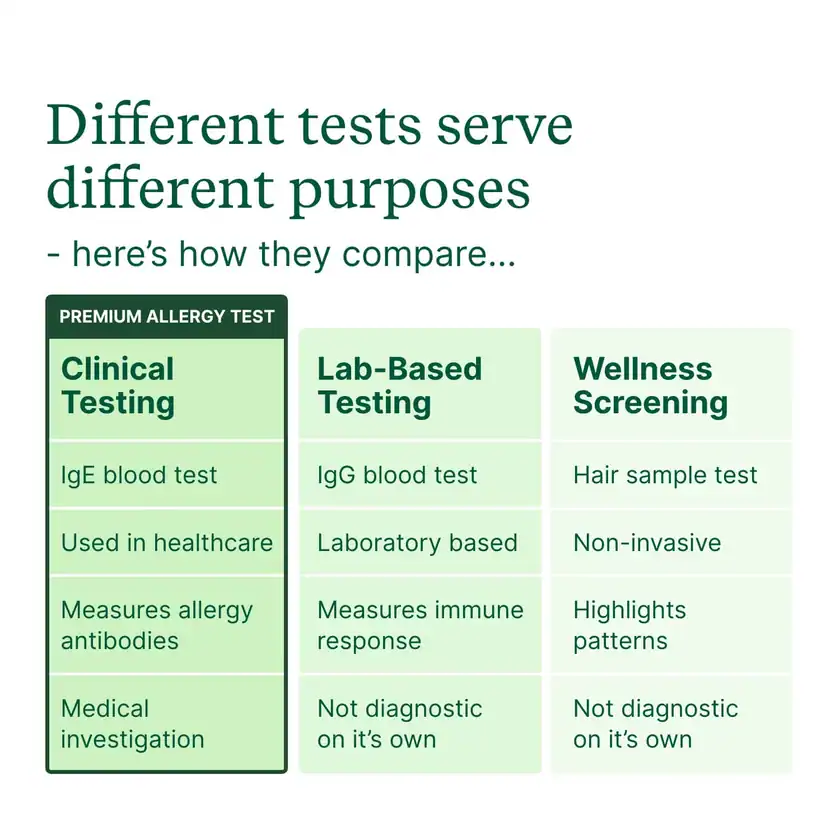
The test measures Immunoglobulin E antibodies that the immune system may produce in response to specific allergens. The results help identify possible sensitisation to foods, pollens, dust mites, moulds or animals and should be interpreted alongside symptoms.
After the finger-prick sample is taken, it is sent to the laboratory and analysed using multiplex technology. This method enables the simultaneous measurement of specific IgE to multiple allergens and components using a small amount of blood.
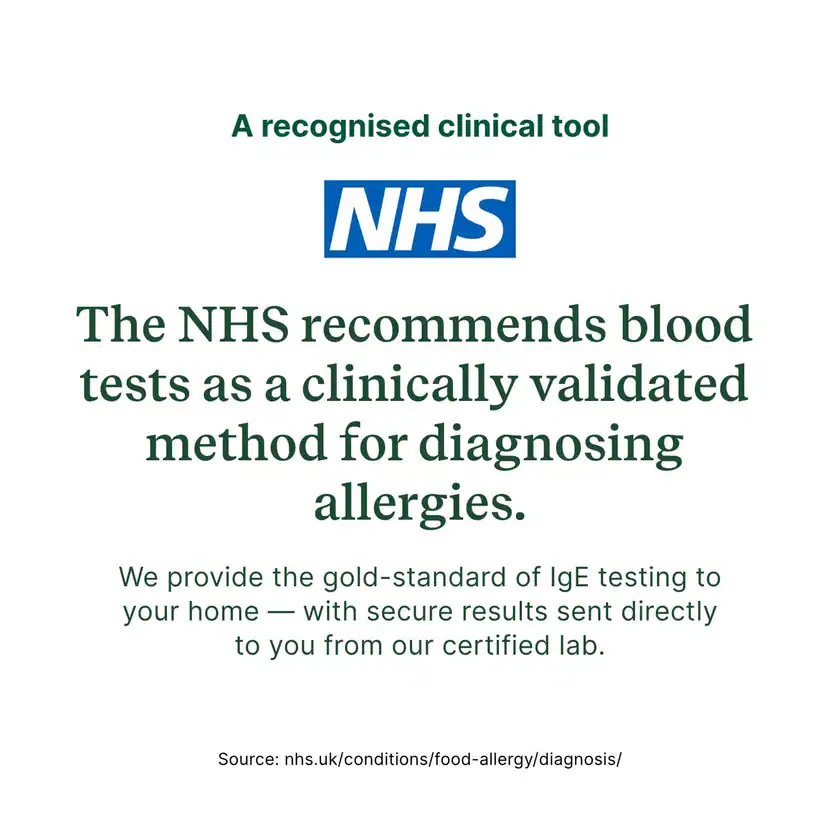
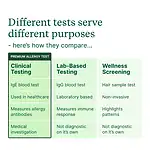
Specific IgE testing is a recognised laboratory method for assessing allergic sensitisation. However, accuracy varies by allergen, and the result should not be interpreted in isolation from symptoms, exposure history and clinical assessment.
Not necessarily. A positive result indicates that IgE antibodies to the allergen have been identified, but this does not always mean that exposure causes symptoms. A final diagnosis is made by combining the result with your clinical history.
An allergy involves the immune system and may cause a reaction even after exposure to a small amount. An intolerance does not usually involve IgE and is more often related to difficulty processing or digesting a food.
Yes. The panel includes pollens, dust mites, moulds, animal dander and other indoor and outdoor allergens. These may be associated with seasonal symptoms, nasal congestion, irritated eyes or breathing problems.
Suitability for the test depends on age, symptoms, medical history and the ability to obtain a sufficient sample. For children, consultation with a paediatrician or allergist is recommended before testing and before making any dietary changes.

Get to Know Your Body with the Intolerance Test
If you experience ongoing discomfort, low energy, bloating, digestive issues, and similar symptoms, this test helps you understand how your body reacts to different foods and elements.
The results provide practical guidance to build a more suitable nutrition plan and to make informed decisions about your health, energy, and overall body balance.