

Taking the Body Intolerance Test is only the first step. What truly matters is how you use the results to make real and sustainable changes in your daily routine.
Many people receive their report, read it once, and are unsure what to do next. In this article, we explain how to understand your results and turn them into practical decisions about your diet and lifestyle.

How Is the Report Structured?
A Body Intolerance Test report typically includes:
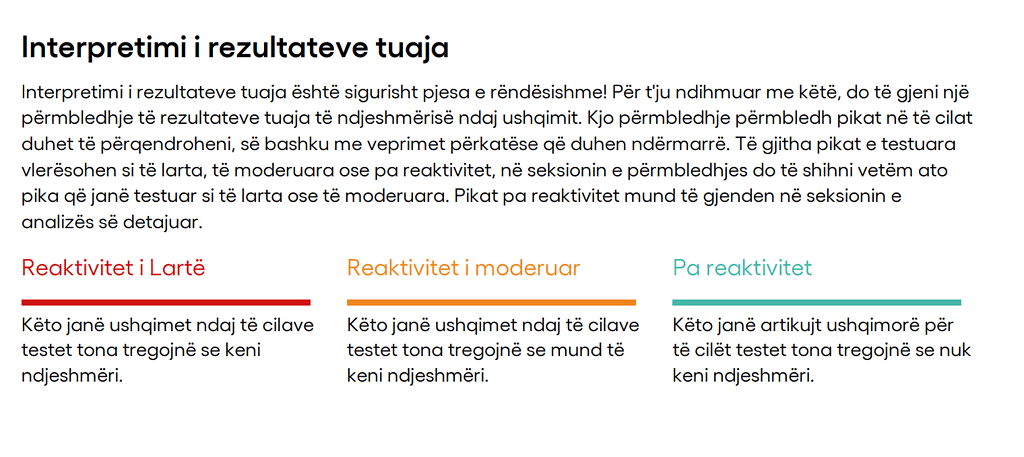
- Levels of Reactivity
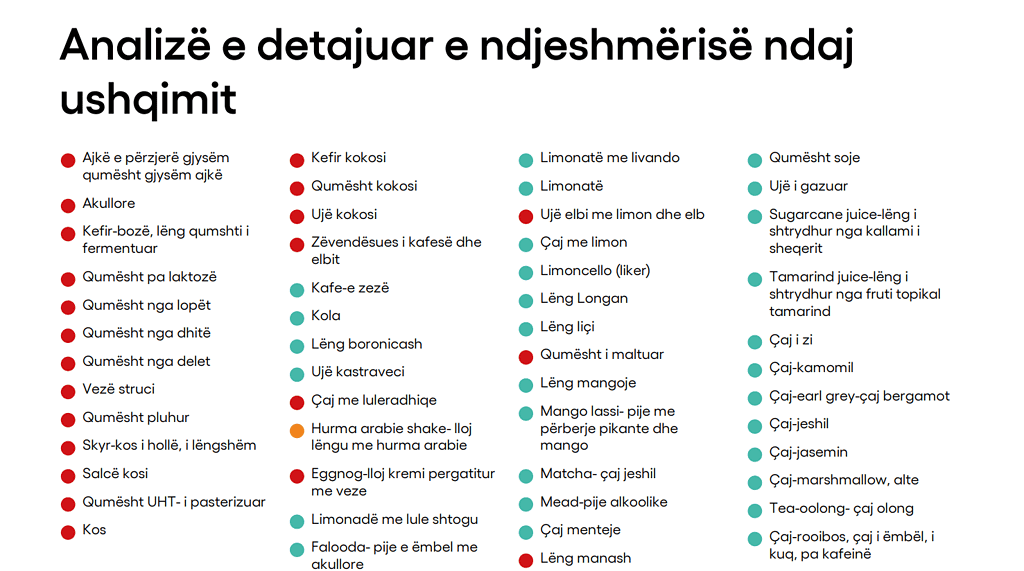
- Category breakdown
- Elements showing higher responses
- Elements within normal tolerance ranges
These levels help you identify which foods or elements may require closer attention.
What Does “Reactivity Level” Mean?
Reactivity indicates the degree of sensitivity your body may have toward a specific element.
- High reactivity → may require temporary elimination
- Moderate reactivity → may need reduction or monitoring
- Low reactivity → generally well tolerated
It is important not to interpret results in an extreme way. The best approach is gradual and balanced.
Avoid Drastic Changes at Once
A common mistake is eliminating too many foods at the same time. This can create stress and disrupt your routine.
It is recommended to:
- Start with 1–2 elements showing higher reactivity
- Monitor how you feel over 2–4 weeks
- Reintroduce foods gradually to assess your response
The goal is to understand your body, not to overly restrict it.
How to Use the Report to Build a More Balanced Diet
Your results can serve as a guide for:
- Making more conscious food choices
- Finding suitable alternatives
- Organizing your diet more effectively
For example, if a certain food shows higher reactivity, you can look for substitutes with similar nutritional value.
Monitor Changes in Your Body
After making adjustments, pay attention to:
- Has bloating decreased?
- Do you feel more energetic?
- Has digestion improved?
- Has sleep quality changed?
Keeping a simple food and symptom journal can be very helpful during this process.
Important: The Results Are Not a Diagnosis
The Body Intolerance Test is not a medical diagnosis and does not replace consultation with a healthcare professional. If you have strong symptoms or existing medical conditions, you should consult a qualified healthcare provider before making significant dietary changes.
Sustainable Change Takes Time
Well-being is not achieved through extreme measures. It is built through small, conscious, and consistent steps.
Your test report is a tool. Used wisely, it can help you build a more balanced relationship with food and your body.
A Step Toward Greater Awareness
Understanding your body’s reactions is a process. By using your report calmly and thoughtfully, you can make adjustments that improve your daily life without pressure or fear.
The Body Intolerance Test does not promise instant solutions, but it offers information that can support more informed and personalized decisions.


